Top Rated Ancaster Top Rated General Contractor for Home Renovations
The Importance of Hiring a General Contractor: Unlocking Expert Solutions and Streamlined Results for Your Next Project
In the domain of construction, the role of a general contractor is vital. They work as coordinators, handling multiple aspects of a project to make certain everything runs smoothly. Their expertise can result in improved budgeting and time management. However, many overlook the considerable impact a general contractor can have on the entire success of a project. Understanding these advantages is significant, especially when launching your next construction undertaking. What elements should be examined before making this choice?
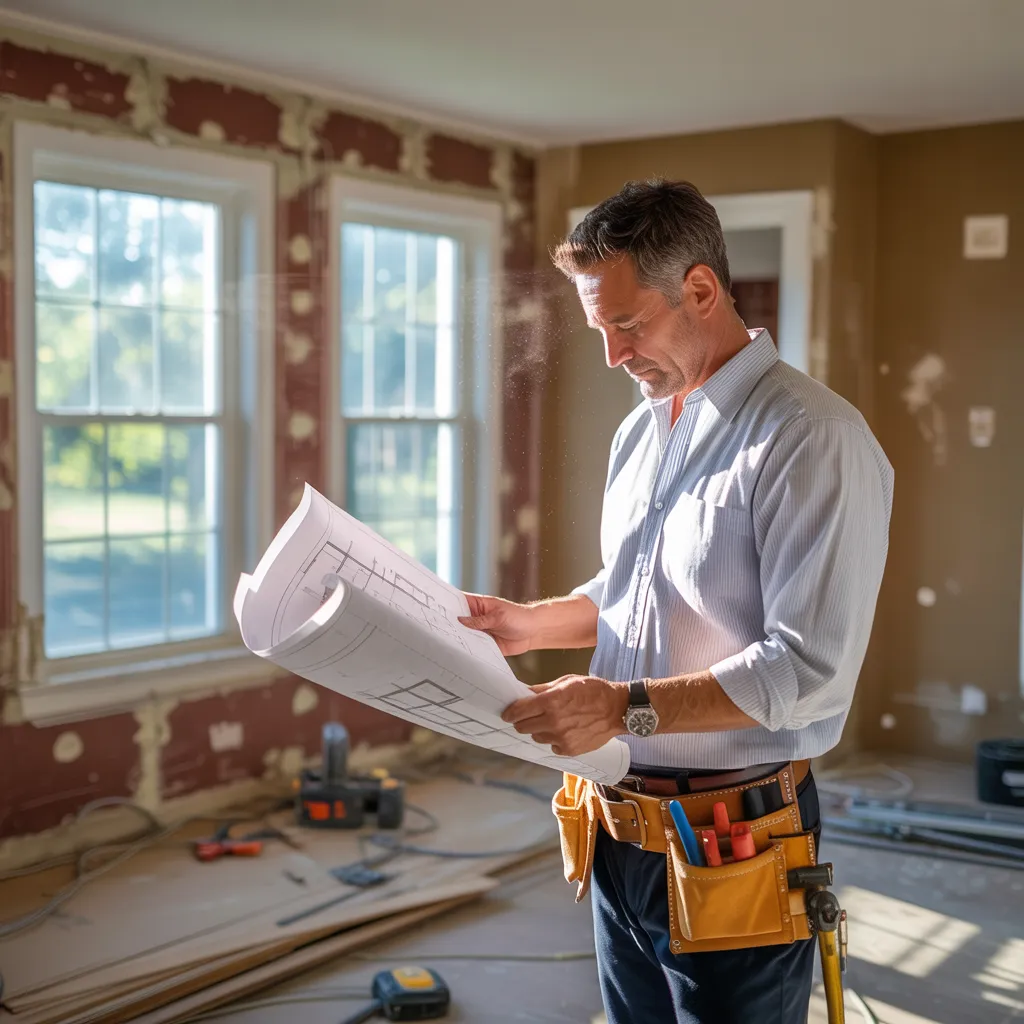
What a General Contractor Does in Construction Projects
General contractors fulfill an important role in the success of construction projects. They function as the central point of coordination, managing various aspects of the project from start to completion. This includes bringing on subcontractors, coordinating tasks, and monitoring daily operations on-site. A general contractor ensures that the project adheres to timelines and budgets while maintaining conformity to local building codes and regulations.
Perks of Hiring a General Contractor
Employing a general contractor can substantially improve the efficiency and success of a construction project, as they bring skill and experience to the table. One of the main perks is their ability to manage complex projects, orchestrating various trades and guaranteeing that timelines are met. This coordination reduces delays and improves communication among subcontractors, suppliers, and clients.
In addition, general contractors possess thorough knowledge of building codes and regulations, ensuring compliance throughout the project. Their long-standing relationships with subcontractors can produce superior quality work and more trustworthy service, as they often have trusted teams they collaborate with regularly.
In addition, general contractors are adept at problem-solving and can rapidly address unpredicted issues that may occur during construction. This proactive approach helps to keep project momentum and reduces the probability of costly disruptions. On the whole, hiring a general contractor can greatly contribute to a smoother, more successful construction experience.
Expert Budget and Cost Management Services
Expert cost management and budgeting capabilities represent key benefits that general contractors deliver to construction projects. They deliver detailed financial forecasts and source materials cost-effectively, making certain that financial resources are deployed effectively. Furthermore, their experience enables them to efficiently handle unexpected expenses that may develop during the construction process.
Exact Cost Assessment
When initiating a construction project, reliable budget estimation plays a vital role in maintaining financial success and project viability. A general contractor provides invaluable expertise in establishing meticulous and viable budgets that consider all aspects of the project. By examining labor costs, materials, permits, and unforeseen expenses, they supply a detailed financial plan that lessens the risk of budget overruns. Their experience helps them identify potential pitfalls early in the planning phase, confirming that clients are properly informed and ready. In addition, general contractors can harness their industry connections to gather accurate pricing information, further enhancing the reliability of the budget. This careful approach to budget estimation ultimately leads to smoother project execution and greater client satisfaction.
Economical Material Acquisition
Though sourcing materials can be a challenging task, general contractors excel in discovering cost-effective options that align with project budgets. Their broad industry connections permit them to negotiate superior prices with suppliers, making sure that clients receive high-quality materials without overspending. General contractors stay informed about market trends and material availability, which allows them to make timely decisions that optimize costs. They are experienced in analyzing various material options, weighing factors such as durability, aesthetics, and price. By leveraging their expertise, general contractors can propose alternatives that maintain project integrity while take the first step keeping expenses in check. This strategic approach not only improves the overall project efficiency but also maximizes the client's return on investment, making them essential in the construction process.
Navigating Unexpected Expenses
Handling the complexities of construction projects often requires proficient management of unexpected expenses. General contractors bring crucial budgeting expertise to the table, enabling them to anticipate potential financial pitfalls and devise strategies to mitigate them. Their substantial experience allows for more accurate cost estimates and the identification of cost-saving opportunities throughout the project lifecycle. When unforeseen issues emerge, such as material price increases or labor shortages, general contractors can swiftly adjust budgets and reallocate resources without compromising project timelines. Additionally, their established relationships with suppliers and subcontractors often result in better negotiation power, helping to reduce the financial impact of unexpected expenses. Ultimately, their proactive approach ensures projects remain on track and within budget, safeguarding the client's investments.
Time Management and Project Efficiency
Time management and project coordination are crucial aspects of a general contractor's role. By adopting optimized scheduling processes, they ensure that projects advance on schedule and efficiently. In addition, unified team communication promotes collaboration, limiting delays and increasing overall productivity.
Streamlined Scheduling Procedures
How do streamlined scheduling processes improve efficiency within construction projects? By establishing well-structured timelines and precise deadlines, general contractors facilitate improved workflows. They leverage project management software to assign resources strategically, guaranteeing that tasks are completed in sequential order without unnecessary delays. This structured approach minimizes clashes and overlaps among subcontractors, permitting optimal use of labor and materials. Additionally, a properly defined schedule facilitates rapid adjustments in response to unexpected challenges, consequently reducing downtime. The integration of real-time tracking additionally bolsters accountability, as it lets all stakeholders to monitor progress and make informed decisions. Finally, streamlined scheduling not only accelerates project completion but also supports maintaining budgetary constraints, fostering overall success in construction endeavors.
Collaborative Team Coordination
Whereas effective communication is essential in any project, coordinated team communication becomes particularly important in the construction industry. A general contractor serves as the central bridge among various stakeholders, including subcontractors, suppliers, and clients. This role guarantees that all parties are aligned in their targets, deadlines, and responsibilities. By facilitating real-time updates and addressing concerns quickly, a general contractor increases time efficiency and reduces misunderstandings. Moreover, regular team meetings and communication tools streamline information flow, permitting quick problem-solving and decision-making. As a result, projects advance smoothly, decreasing delays and costs. In the end, organized team communication not only fosters a collaborative environment but also significantly contributes to the favorable completion of construction projects.
Tapping into a Network of Skilled Specialists
Access to a network of skilled professionals is a major advantage for general contractors. This network includes a varied array of tradespeople, such as electricians, plumbers, carpenters, and masons, each with specialized expertise. General contractors leverage these relationships to assemble a reliable team tailored to the specific requirements of a project, guaranteeing high-quality workmanship.
Having the ability to access trusted professionals permits efficient scheduling and resource allocation, reducing delays and keeping projects moving forward. Furthermore, general contractors can choose individuals who have a proven track record, which reduces the risk of bringing on inexperienced workers. This access also enables collaboration, as teams can communicate effectively, enhancing overall project coordination.
Ultimately, a general contractor's well-established network of skilled professionals not only simplifies the construction process but also raises the level of work delivered, producing a successful outcome for any project.
Dealing with Permits and Regulations With Ease
Moving through the intricate landscape of permits and regulations can be overwhelming for those inexperienced in the construction industry. General contractors possess the expertise to streamline this process, guaranteeing compliance with local, state, and federal laws. They are experienced with the specific requirements of each project, which can vary greatly by location and type of construction.
By drawing on their expertise, general contractors can efficiently secure necessary permits, minimizing delays that often occur due to regulatory hurdles. They also sustain relationships with local authorities, promoting smoother interactions and quicker approvals.
Furthermore, contractors keep updated on changes in regulations, protecting clients from potential penalties or violations. Their capability to navigate the complicated web of rules enables property owners to concentrate on other aspects of their projects, ensuring efficiency and peace of mind throughout the construction process. Ultimately, hiring a general contractor streamlines the regulatory journey, making it an essential investment for any building project.
Popular Questions
How Do I Choose the Right General Contractor for My Project?
Selecting the right general contractor entails researching their credentials, evaluating past projects, obtaining recommendations, assessing communication skills, and ensuring they understand the project scope. Comparing multiple bids can also help identify the best fit for specific needs.
What Fees Can You Expect When Hiring a General Contractor?
Regular fees for hiring a general contractor include a percentage of the total project cost, typically ranging from 10% to 20%, in addition to potential additional charges for materials, permits, and unexpected expenses that may occur.
Can a General Contractor Handle Design and Architectural Services?
A general contractor can effectively handle design and architectural services, commonly cooperating with architects or using in-house designers. This integration facilitates efficient communication and project execution, ensuring visual and operational targets correspond throughout the construction process.
What Occurs if the Project Surpasses Budget or Schedule?
When a project goes over budget or timeline, the general contractor typically reassesses the plan, engages with stakeholders, and implements cost-control measures. Changes may include restructuring contracts, rescheduling tasks, or pursuing extra financial resources.
How Do General Contractors Guarantee Quality in Their Work?
General contractors guarantee quality by hiring skilled labor, following industry standards, conducting regular inspections, managing subcontractors effectively, and keeping open communication with clients. Their expertise serves to minimize risks and enhance project outcomes throughout the construction process.